

Best Roofing Options for Commercial Buildings: A Comprehensive Guide
Share this:
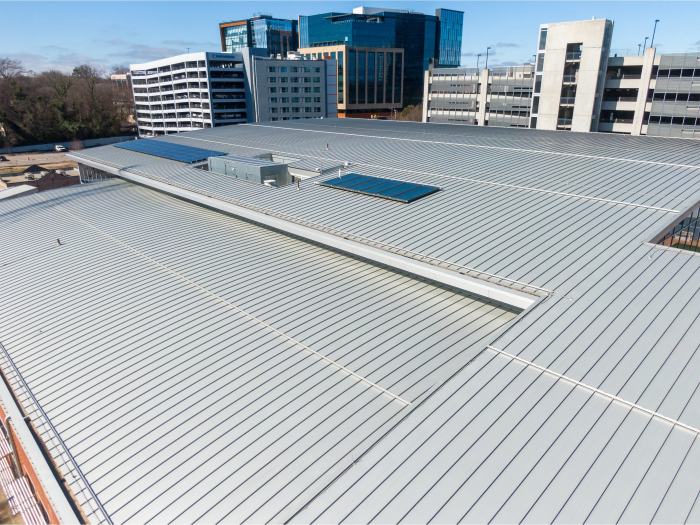
Exploring the best roofing options for commercial buildings, this introduction sets the stage for an informative and engaging discussion. From the various types of roofing materials to considerations for choosing the right option, readers will gain valuable insights into enhancing their commercial property.
As we delve deeper into the realm of roofing solutions, understanding the importance of cost analysis, installation, and maintenance considerations will prove pivotal in making well-informed decisions for your commercial building.
Types of Roofing Materials
When it comes to roofing materials for commercial buildings, there are several options available, each with its own set of pros and cons. Metal, EPDM, TPO, and built-up roofing systems are some of the most common choices.
Metal Roofing
Metal roofing is known for its durability and longevity. It can last up to 50 years or more with proper maintenance. Metal roofs are also lightweight and energy-efficient, reflecting heat and reducing cooling costs. However, they can be more expensive upfront compared to other materials and may be prone to denting in severe weather conditions.
EPDM Roofing
EPDM (ethylene propylene diene terpolymer) roofing is a synthetic rubber material that is highly durable and resistant to UV rays. It is easy to install and repair, making it a cost-effective option for commercial buildings. However, EPDM roofing may not be as aesthetically pleasing as other materials and can be vulnerable to punctures.
TPO Roofing
TPO (thermoplastic polyolefin) roofing is a single-ply membrane that offers excellent resistance to chemicals, punctures, and UV rays. It is also energy-efficient, helping to reduce heating and cooling costs. TPO roofing is easy to install and maintain, but it may not be as durable as other materials and can shrink over time.
Built-Up Roofing
Built-up roofing consists of multiple layers of bitumen and reinforcing fabrics, such as fiberglass or polyester. This type of roofing is known for its durability and waterproofing properties. Built-up roofing is cost-effective and provides excellent insulation, but it can be heavy and may require more maintenance over time.
Considerations for Choosing Roofing Options
When selecting the best roofing option for a commercial building, several factors need to be taken into consideration to ensure the roof meets the specific needs of the building and its occupants.
Importance of Weather Resistance, Energy Efficiency, and Maintenance Requirements
- Weather Resistance: The roofing material must be able to withstand the local climate conditions, including extreme temperatures, heavy rainfall, snow, and high winds. This is crucial to prevent leaks, water damage, and other issues that can compromise the building's structural integrity.
- Energy Efficiency: Choosing a roofing material with high energy efficiency can help reduce heating and cooling costs for the building. Reflective roofing materials can help decrease the heat absorbed by the building, keeping it cooler in the summer months.
- Maintenance Requirements: Consider the maintenance needs of the roofing material, including how often it needs to be inspected, cleaned, or repaired. Some materials require more frequent maintenance than others, so it's essential to factor this into your decision-making process.
How the Building’s Location Can Influence the Choice of Roofing Material
- Climate: The climate of the building's location plays a significant role in determining the most suitable roofing material. For example, buildings in areas prone to hurricanes may require more durable and wind-resistant roofing materials.
- Sun Exposure: Buildings in sunny climates may benefit from roofing materials that offer UV protection and heat reflectivity to help keep the interior of the building cool and reduce energy costs.
- Precipitation: Areas with heavy rainfall or snowfall may require roofing materials that are waterproof and resistant to water damage to prevent leaks and structural issues.
Cost Analysis and Budgeting
Investing in the right roofing option for commercial buildings involves careful consideration of costs and budgeting. It is essential to weigh the initial expenses against the long-term benefits to make an informed decision
Costs Associated with Different Roofing Options
When choosing a roofing material for a commercial building, it is crucial to consider not only the upfront costs but also the maintenance and repair expenses over the lifespan of the roof. Different roofing options have varying costs associated with installation, upkeep, and longevity.
For example, while some materials may be more expensive initially, they could prove to be cost-effective in the long run due to their durability and minimal maintenance requirements.
Long-Term Cost Benefits of High-Quality Roofing Materials
Investing in high-quality roofing materials may require a higher upfront cost, but it can result in significant cost savings over time. Durable materials with a longer lifespan can reduce the need for frequent repairs and replacements, ultimately lowering maintenance expenses.
Additionally, high-quality roofing materials often offer better energy efficiency, which can lead to lower heating and cooling costs for the building.
Impact of Budget Constraints on Decision-Making
Budget constraints play a crucial role in the decision-making process when selecting a roofing option for a commercial building. While it may be tempting to opt for a cheaper material to save money upfront, it is important to consider the long-term costs and benefits.
Budget limitations may require a balance between upfront costs and long-term savings, leading to a strategic choice based on financial constraints and expected returns on investment.
Installation and Maintenance Considerations
When it comes to the installation and maintenance of roofing materials for commercial buildings, there are several key considerations to keep in mind to ensure the longevity and durability of the roof.
Installation Process
- For asphalt shingles, the installation process involves laying down a waterproof underlayment followed by the shingles being nailed in place. Proper sealing of the edges and flashing is crucial to prevent leaks.
- Metal roofing installation typically involves securing metal panels or shingles to the roof deck. It is important to use the correct fasteners and ensure proper insulation to prevent condensation.
- Flat roofing materials like EPDM or TPO are usually installed in large sheets that are glued or heat-welded together. Proper sealing of seams and edges is essential to prevent water infiltration.
Maintenance Tips
- Regularly clean debris such as leaves and branches off the roof to prevent water pooling and potential damage.
- Inspect the roof for any signs of damage or wear, such as missing shingles, rust on metal panels, or tears in flat roofing membranes.
- Trim any overhanging branches that could potentially damage the roof during storms or high winds.
Importance of Regular Inspections
Regular inspections are crucial to catch any potential issues early on and prevent costly damage to the commercial building. By identifying and addressing small problems before they escalate, you can extend the lifespan of the roof and avoid expensive repairs down the line.
Final Wrap-Up
In conclusion, the journey through the best roofing options for commercial buildings has equipped you with the knowledge needed to make sound choices. Remember, a well-maintained roof is not just a shield from the elements but an investment in the longevity of your property.
Expert Answers
What is the most durable roofing material for commercial buildings?
Metal roofing is known for its exceptional durability and longevity, making it a popular choice for commercial buildings.
How does weather resistance impact the choice of roofing material?
Weather resistance plays a crucial role in determining the longevity and performance of a commercial building's roof, especially in regions prone to harsh weather conditions.
Are there any energy-efficient roofing options available?
Yes, TPO roofing is considered highly energy-efficient, providing cost savings in the long run through improved insulation properties.
Why is regular maintenance important for commercial building roofs?
Regular maintenance helps prevent costly damage and ensures the longevity of the roof, saving money in the long term.