

Minimalist interior design for small homes: Maximizing Space and Style
Share this:
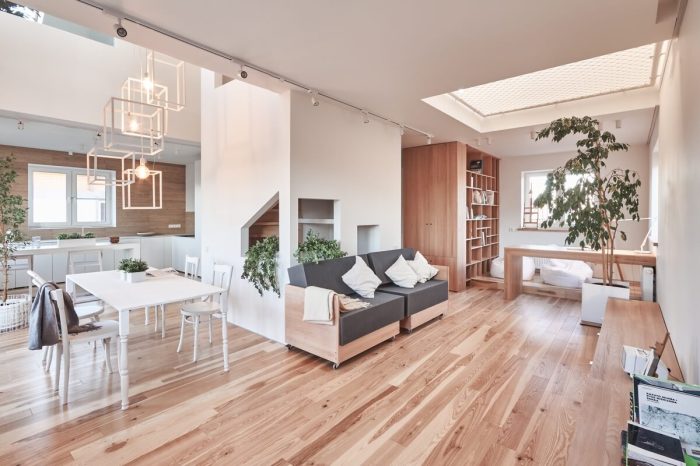
Exploring the world of minimalist interior design for small homes unveils a realm where simplicity meets functionality, creating harmonious living spaces that feel both airy and inviting. From clever storage solutions to the art of decluttering, this design approach offers a fresh perspective on making the most out of limited space.
As we delve deeper into the essential elements and techniques of minimalist design, a world of possibilities opens up for those seeking to enhance their living environment with a touch of modern elegance.
Understanding Minimalist Interior Design
Minimalist interior design for small homes focuses on simplicity, functionality, and maximizing space efficiency. By using clean lines, neutral colors, and minimal decor, this design style creates a sense of calm and openness in a limited space.
Key Principles of Minimalist Interior Design
- Avoid clutter: Minimalist design emphasizes the importance of decluttering to create a clean and organized space.
- Use of neutral colors: White, beige, and other neutral tones help to create a sense of openness and brightness in small rooms.
- Functional furniture: Opt for multipurpose furniture pieces that serve both practical and aesthetic purposes to save space.
- Simple and clean lines: Furniture and decor with clean lines contribute to a streamlined and uncluttered look.
Maximizing Space in Small Homes with Minimalist Design
- Utilize vertical space: Install shelves or cabinets to make use of vertical space for storage and display.
- Mirrors: Placing mirrors strategically can give the illusion of a larger space by reflecting light and creating depth.
- Open floor plan: Removing unnecessary walls can create a more spacious feel and improve flow between rooms.
- Multipurpose furniture: Invest in furniture that can serve multiple functions, such as a sofa bed or a dining table with storage.
Essential Elements of Minimalist Interior Design
Minimalist interior design revolves around simplicity, functionality, and the use of a few key elements to create a clean and uncluttered space.
Neutral Colors, Clean Lines, and Simple Furniture
One of the main features of minimalist interior design is the use of neutral colors like white, beige, gray, or black. These colors create a sense of calm and openness in a space. Clean lines are also essential, with furniture and decor having simple and straight silhouettes without ornate details.
Minimalist furniture is characterized by its functionality and lack of unnecessary embellishments.
Decluttering and Organization
Decluttering is crucial in minimalist design as it helps create a sense of order and spaciousness. By removing unnecessary items and keeping only the essentials, the space feels more open and calming. Proper organization, through storage solutions and hidden compartments, is key to maintaining a clutter-free environment.
Natural Light and Functional Furniture
Natural light plays a significant role in minimalist interiors, as it enhances the sense of airiness and brightness. Large windows, skylights, and sheer curtains are commonly used to maximize natural light. Functional furniture that serves multiple purposes, such as storage beds or nesting tables, is favored in minimalist design to optimize space and reduce visual clutter.
Space Optimization Techniques
When it comes to minimalist interior design for small homes, optimizing space is crucial to create a functional and aesthetically pleasing living environment. Here are some techniques to make the most out of limited space:
Creative Storage Solutions
- Utilize vertical space by installing floating shelves or wall-mounted cabinets to keep items off the floor and free up valuable space.
- Opt for furniture with built-in storage compartments, such as beds with drawers underneath or ottomans that double as storage boxes.
- Use baskets, bins, and organizers to keep clutter at bay and maintain a clean and organized look.
Multi-functional Furniture
- Choose pieces that serve dual purposes, such as a sofa bed for guests or a dining table that can be folded down when not in use.
- Consider modular furniture that can be rearranged to adapt to different needs and configurations.
- Invest in furniture that can be easily transformed or tucked away to maximize space when not in use.
Illusion of More Space
- Paint walls in light, neutral colors to create a sense of openness and airiness.
- Use mirrors strategically to reflect light and create the illusion of a larger space.
- Opt for furniture with exposed legs to visually expand the floor area and make the room feel more spacious.
Color Schemes and Textures
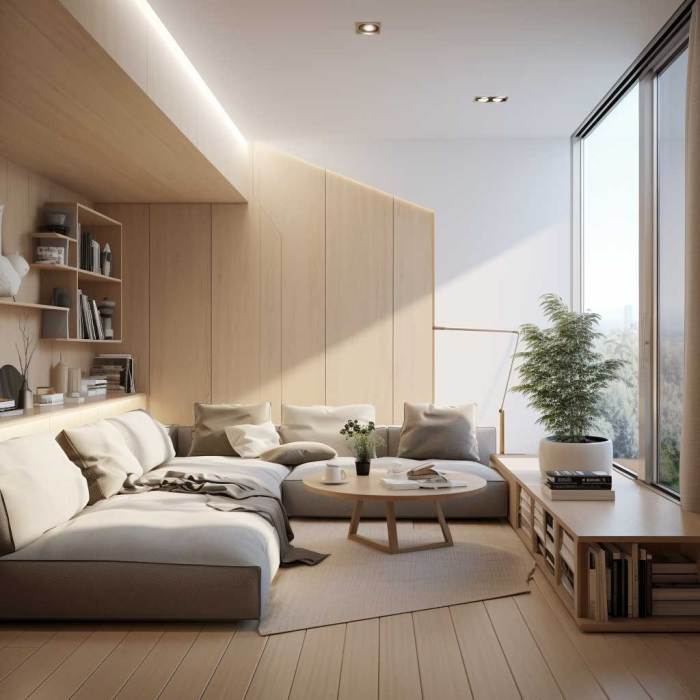
When it comes to creating a minimalist interior design in small homes, choosing the right color schemes and textures is essential to achieve a clean and cohesive look
Optimal Color Schemes
Opt for neutral colors like white, beige, grey, or soft pastels for the walls and larger furniture pieces in a small space. These colors create a sense of openness and airiness, making the room appear larger than it actually is.
- White: Reflects light and makes the space feel bright and spacious.
- Beige: Adds warmth without overwhelming the space.
- Grey: Provides a modern and sophisticated touch while maintaining a minimalist vibe.
- Soft Pastels: Infuse a subtle pop of color without being too overpowering.
Adding Depth with Textures
Textures play a crucial role in adding depth and warmth to a minimalist space. Incorporate textures through textiles like rugs, cushions, and throws to create visual interest and a cozy ambiance.
- Woven Fabrics: Bring in a tactile element and introduce a sense of nature into the space.
- Wood: Adds warmth and a touch of organic texture to balance out the sleekness of minimalist furniture.
- Metallic Finishes: Introduce a hint of glamour and shine for a sophisticated look.
- Glass: Enhances the feeling of openness and transparency in a small space.
Accents and Decor
Minimalist interiors thrive on simplicity, so choose accents and decor pieces carefully to complement the overall aesthetic without cluttering the space.
- Statement Artwork: Opt for one or two large pieces of artwork to serve as a focal point without overwhelming the room.
- Plants: Bring in a touch of nature and greenery to liven up the space and add a sense of freshness.
- Functional Decor: Choose decor pieces that serve a purpose, such as sleek storage solutions or multipurpose furniture.
- Minimalist Lighting: Select simple and unobtrusive lighting fixtures to illuminate the space without distracting from the design.
Incorporating Nature and Greenery
Bringing nature into a minimalist interior can greatly enhance the overall aesthetic and ambiance of a small space. By incorporating plants and natural elements, you can add a touch of freshness and life to the room.
Indoor Plants as Decor
Indoor plants not only serve as decorative elements but also contribute to better air quality and a sense of tranquility. Here are some ideas on how to incorporate plants into a minimalist design:
- Choose sleek and simple planters to maintain the minimalist look.
- Opt for plants with clean lines and minimal foliage, such as snake plants or succulents.
- Group plants together in clusters to create visual interest without cluttering the space.
Nature-Inspired Decor
Natural elements like wood, stone, and bamboo can also be integrated into minimalist interiors to bring a sense of warmth and texture. Here are some examples of how to incorporate nature-inspired decor:
- Use wooden furniture or accents to add warmth and contrast to a minimalist space.
- Include stone or marble surfaces for a touch of luxury and organic texture.
- Incorporate bamboo or rattan elements for a natural and eco-friendly vibe.
Final Summary
In conclusion, Minimalist interior design for small homes is not just about aesthetics, but also about creating a lifestyle that promotes mindfulness and simplicity. By incorporating nature, optimizing space, and embracing clean lines, one can transform even the tiniest of spaces into a peaceful sanctuary that exudes style and sophistication.
Questions and Answers
How can minimalist interior design make a small home feel more spacious?
Minimalist design focuses on decluttering and using functional furniture to create an illusion of more space. By incorporating clean lines and neutral colors, small homes can feel larger and more open.
What are some recommended color schemes for minimalist interiors in small homes?
Opt for neutral tones like whites, creams, and light grays to maintain a sense of airiness and simplicity in small spaces. These colors help reflect light and create a more open feel.
How can nature be integrated into minimalist interior design for small homes?
Adding plants and natural elements can bring life and freshness to minimalist spaces. Consider placing potted plants, succulents, or even a small herb garden to infuse a touch of greenery into your home.