

Luxury House Design Trends in Europe and the US: A Comparative Analysis
Share this:
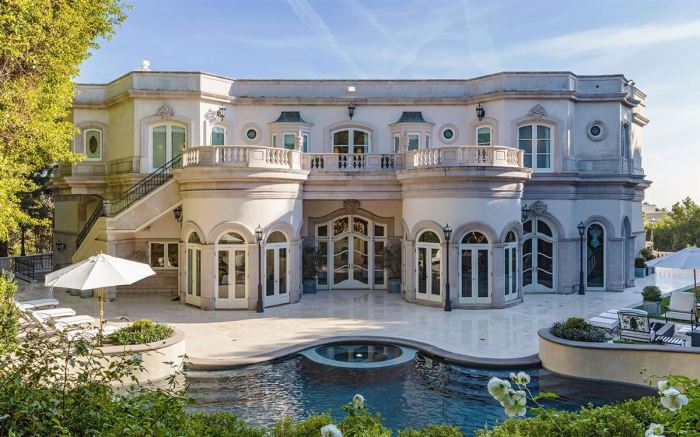
Embark on a journey through the luxurious world of house design trends in Europe and the US. From iconic architectural elements to sustainable practices, this topic delves into the fascinating differences and similarities between these two regions.
Explore renowned architects, innovative sustainable features, and the latest interior design trends that define luxury homes in Europe and the US.
Luxury House Design Trends in Europe and the US
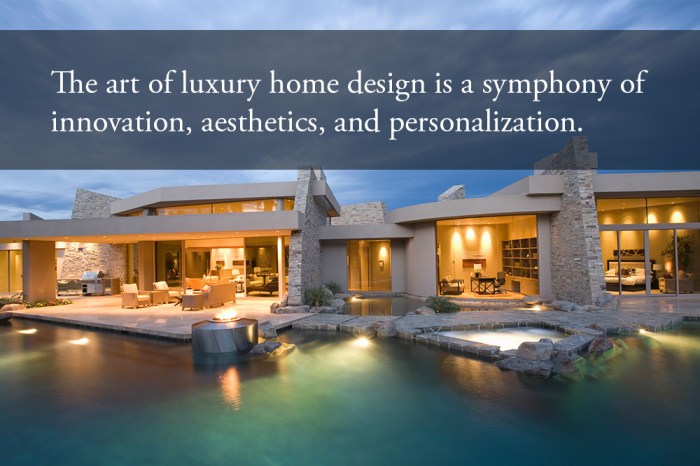
Luxury house design trends in Europe and the US showcase unique characteristics that reflect the cultural and architectural influences of each region. While both regions prioritize elegance and sophistication in luxury home design, there are distinct differences in the architectural elements and styles that define luxury houses in Europe compared to the US.
Key Architectural Elements in Europe
In Europe, luxury house design often emphasizes historical elements and intricate detailing. Classic architectural styles such as Baroque, Rococo, and Neoclassical are commonly incorporated into luxury homes, showcasing grandeur and opulence. European luxury houses may feature ornate moldings, elaborate chandeliers, and grand staircases, creating a sense of old-world charm and sophistication.
Key Architectural Elements in the US
In contrast, luxury house design in the US tends to focus on modern and contemporary aesthetics. Clean lines, open floor plans, and expansive windows are key elements of luxury homes in the US. Incorporating state-of-the-art technology and sustainable materials is also a common practice in American luxury house design, highlighting innovation and functionality.
Iconic Luxury Houses
- The Palace of Versailles, France: Known for its lavish gardens and intricate gold detailing, the Palace of Versailles is a prime example of luxury house design in Europe.
- The Hearst Castle, California, US: Designed by architect Julia Morgan, the Hearst Castle features a mix of Mediterranean and Spanish Colonial Revival styles, showcasing the grandeur of American luxury architecture.
Influential Architects and Designers
When it comes to luxury house design in Europe, there are several renowned architects and designers who have made a significant impact on the industry. Their innovative ideas and unique styles have shaped the way luxury homes are designed and built in the region.
In the US, famous American architects have also played a crucial role in influencing luxury house design trends. Their iconic creations have set the standard for elegance and sophistication in the American real estate market.
Renowned Architects and Designers in Europe
In Europe, architects like Zaha Hadid, Norman Foster, and Renzo Piano have left a lasting legacy in luxury house design. Their avant-garde designs have pushed the boundaries of architecture and redefined what is possible in luxury living spaces.
Impact of Famous American Architects in the US
American architects such as Frank Lloyd Wright, Richard Meier, and Robert A.M. Stern have made a significant impact on luxury house design trends in the US. Their iconic designs have influenced generations of architects and continue to inspire new developments in the industry.
Cultural Differences Influence on Architects
Cultural differences play a crucial role in shaping the work of architects in each region. European architects often draw inspiration from centuries-old traditions and historical landmarks, resulting in designs that exude a sense of timelessness and sophistication. On the other hand, American architects are known for their innovative and forward-thinking approach, incorporating modern technologies and materials to create cutting-edge luxury homes.
Sustainable Luxury House Design
As the demand for sustainability grows, luxury house design in both Europe and the US has been incorporating eco-friendly practices to create homes that are not only luxurious but also environmentally conscious.
Integration of Sustainability Practices in Europe
In Europe, sustainable luxury house design has become a prominent trend, with architects and designers focusing on incorporating eco-friendly materials, energy-efficient systems, and passive design strategies to reduce the environmental impact of high-end homes.
- Architects in Europe are using sustainable materials such as reclaimed wood, recycled glass, and natural stone to create luxurious yet environmentally friendly homes.
- Energy-efficient systems like solar panels, geothermal heating, and smart home technology are being integrated into luxury houses to reduce energy consumption and carbon footprint.
- Passive design strategies such as proper orientation, natural ventilation, and high-performance insulation are being employed to enhance energy efficiency and indoor comfort in luxury homes.
Growing Trend of Eco-Friendly Luxury Homes in the US
In the US, there is a growing trend towards eco-friendly luxury homes, driven by the increasing awareness of sustainability and the desire for energy-efficient living spaces among affluent homeowners.
- Many luxury home builders in the US are incorporating green building practices, such as LEED certification, energy-efficient appliances, and water-saving fixtures, to create sustainable and luxurious residences.
- Green roofs, rainwater harvesting systems, and native landscaping are some of the innovative sustainable features being implemented in luxury houses in the US to promote environmental conservation and reduce ecological footprint.
- Smart home technology, including energy monitoring systems and automated lighting controls, is also being integrated into luxury homes to optimize energy usage and enhance the overall sustainability of the property.
Examples of Innovative Sustainable Features in Luxury Houses
There are several examples of innovative sustainable features that are being incorporated into luxury houses to enhance their environmental performance and provide a luxurious living experience.
-
Living walls:
Vertical gardens integrated into the exterior or interior of luxury homes to improve air quality, reduce heat gain, and create a visually stunning and sustainable design element.
-
Greywater recycling systems:
Systems that collect and treat wastewater from sinks, showers, and laundry for reuse in irrigation or toilet flushing, reducing water consumption and promoting sustainable water management.
-
Passive solar design:
Architectural strategies that maximize natural light and heat gain in winter while minimizing solar heat gain in summer, reducing the need for artificial lighting and heating/cooling systems.
Interior Design Trends
When it comes to luxury interior design trends in Europe, there is a strong emphasis on elegance, sophistication, and timeless aesthetics. European luxury homes often feature opulent materials, intricate details, and a harmonious blend of traditional and modern elements.
On the other hand, popular interior design styles in luxury houses in the US tend to focus on a more eclectic and personalized approach. American luxury homes often showcase a mix of different styles, from contemporary and minimalist to classic and vintage, creating a unique and inviting atmosphere.
Use of Technology and Smart Home Features
In both Europe and the US, the integration of technology and smart home features has become a key aspect of luxury house interiors. From automated lighting and climate control systems to state-of-the-art entertainment and security solutions, technology is seamlessly incorporated into the design to enhance comfort, convenience, and efficiency.
Ending Remarks
In conclusion, the discussion on luxury house design trends in Europe and the US highlights the rich tapestry of styles and influences shaping the world of luxury living. From cultural nuances to cutting-edge technologies, the evolution of luxury house design continues to captivate and inspire.
FAQ Section
What are some key architectural elements that define luxury house design in Europe and the US?
In Europe, intricate detailing and historical influences often characterize luxury house design, while in the US, spacious layouts and modern amenities take center stage.
How do cultural differences influence the work of architects in each region?
Cultural differences play a significant role in shaping the design preferences and styles of architects, leading to unique and diverse luxury house designs in Europe and the US.
What are some examples of innovative sustainable features in luxury houses?
Examples include solar panels, green roofs, energy-efficient appliances, and recycled materials, all contributing to the eco-friendly trend in luxury house design.