

Tiny Home Design Layouts and 3D Planning Tools: A Comprehensive Guide
Share this:
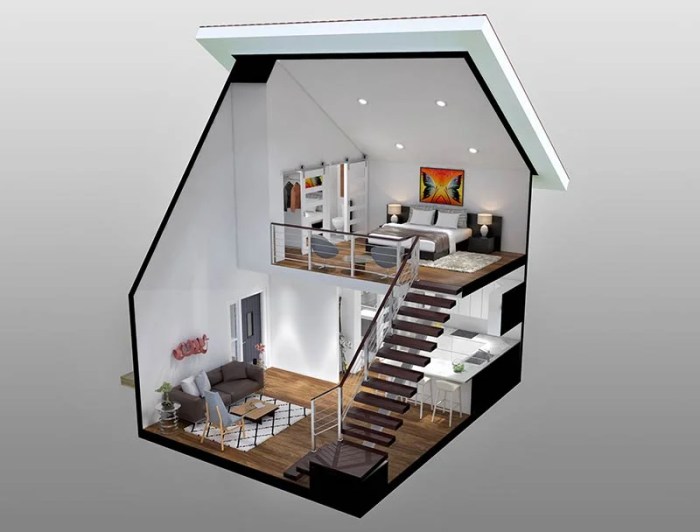
Embark on a journey exploring the world of tiny home design layouts and 3D planning tools. From understanding the concept of tiny home layouts to delving into the benefits of 3D planning tools, this guide offers valuable insights for anyone interested in creating their own tiny home masterpiece.
As we navigate through the intricacies of tiny home design, you'll discover innovative ways to optimize space, balance functionality with aesthetics, and unleash your creativity in designing the perfect tiny abode.
Tiny Home Design Layouts
When it comes to tiny homes, the design layout plays a crucial role in maximizing space efficiency and functionality. A well-thought-out layout can make a small space feel spacious and comfortable.
Popular Tiny Home Layouts
- The Open Concept Layout: This layout features an open floor plan without walls separating different areas, creating a sense of spaciousness.
- The Loft Layout: Utilizes vertical space by incorporating a loft for sleeping or storage, allowing for a more open living area below.
- The Multi-Functional Layout: Integrates furniture and fixtures that serve multiple purposes, such as a dining table that can convert into a bed.
Key Considerations in Tiny Home Design Layout
- Maximizing Vertical Space: Utilize wall-mounted shelves, loft areas, and tall cabinets to make the most of limited floor space.
- Optimizing Traffic Flow: Ensure there are clear pathways and minimal obstructions to move freely within the tiny home.
- Natural Light and Ventilation: Incorporate large windows and skylights to bring in natural light and fresh air, making the space feel more open and inviting.
- Storage Solutions: Implement creative storage solutions like built-in cabinets, under-bed drawers, and hidden compartments to keep belongings organized and out of sight.
Factors Influencing Tiny Home Design
When it comes to designing tiny homes, several factors come into play that significantly impact the overall layout and functionality of these compact living spaces. These factors influence everything from the choice of materials to the layout configuration, ensuring that every square foot is maximized for efficiency and comfort.
Size Constraints
Tiny homes are typically limited in square footage, ranging from about 100 to 400 square feet. This constraint forces designers to think creatively and strategically about how to optimize every inch of space, leading to innovative solutions such as multi-functional furniture and clever storage options.
Mobility and Portability
Unlike traditional homes, many tiny homes are designed to be mobile or easily transportable. This factor influences the use of lightweight materials, modular construction techniques, and compact layouts that can withstand transportation without compromising structural integrity.
Sustainability and Energy Efficiency
Given the limited space and resources in tiny homes, sustainability and energy efficiency are crucial design considerations. Designers often incorporate eco-friendly materials, energy-efficient appliances, and alternative energy sources like solar panels to minimize the environmental impact and reduce utility costs.
Personalization and Lifestyle
Tiny home design is highly personalized to cater to the specific needs and lifestyle of the occupants. Design considerations include factors such as the number of residents, their daily activities, storage requirements, and aesthetic preferences, ensuring that the space is both functional and reflective of the occupants' personalities.
Regulations and Zoning Laws
Designing a tiny home also involves navigating various regulations and zoning laws that govern the construction and placement of these compact dwellings. Factors such as minimum square footage requirements, building codes, and land use restrictions can influence the design process and location options for tiny homes.
3D Planning Tools for Tiny Home Design
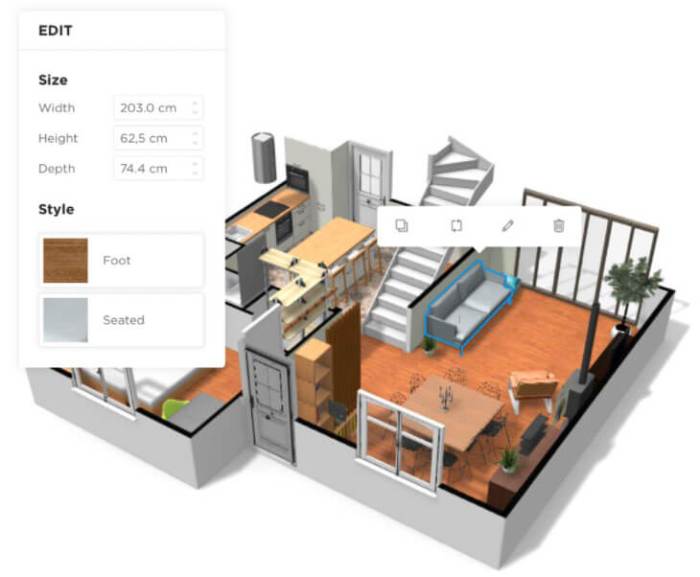
When it comes to designing tiny homes, utilizing 3D planning tools can offer numerous benefits. These tools allow for a more visual and interactive approach to the design process, helping to better visualize the space and layout before construction begins.
Overview of Popular 3D Planning Tools
- SketchUp: A versatile and user-friendly tool that allows for detailed 3D modeling of tiny home designs.
- Sweet Home 3D: Ideal for beginners, this tool offers a simple interface for creating 2D and 3D floor plans.
- HomeByMe: This online tool provides a wide range of pre-designed templates and customization options for tiny home designs.
Tips for Effective Utilization of 3D Planning Tools
- Start with accurate measurements of the tiny home space to ensure the design is realistic and functional.
- Experiment with different layouts and furniture arrangements to optimize space utilization.
- Consider natural lighting and ventilation in the design process for a more sustainable and comfortable living environment.
Integrating Functionality and Aesthetics
When it comes to tiny home design, finding the perfect balance between functionality and aesthetics is crucial. A well-designed tiny home not only maximizes the use of space but also creates a visually appealing environment that enhances the overall living experience.
Optimizing Space Efficiency
One innovative way to optimize space in tiny home design is by incorporating multifunctional furniture. For example, a Murphy bed that can be folded up during the day to create more living space or a staircase with built-in storage compartments.
These creative solutions help maximize every square inch of the tiny home while maintaining a sleek and cohesive design.
Enhancing Aesthetics with Design Elements
Design elements such as natural light, neutral color palettes, and strategic use of mirrors can enhance both the functionality and aesthetics of a tiny home. Large windows and skylights not only make the space feel more open and airy but also provide ample natural light, reducing the need for artificial lighting.
Additionally, incorporating light colors and reflective surfaces can make the space appear larger and more inviting.
Wrap-Up
In conclusion, the fusion of practicality and creativity in tiny home design layouts, coupled with the power of 3D planning tools, opens up a world of possibilities for aspiring tiny homeowners. Whether you're seeking inspiration or practical tips, this guide equips you with the knowledge to embark on your tiny home design journey with confidence.
Popular Questions
What are some key considerations when designing a tiny home layout?
Key considerations include maximizing space utilization, ensuring efficient flow between areas, and incorporating multi-functional furniture.
How do 3D planning tools benefit the design process for tiny homes?
3D planning tools provide a visual representation of the design, allowing for better spatial planning, realistic visualization, and easier modifications.
Can tiny home design layouts incorporate sustainable design practices?
Absolutely! Tiny homes offer a great opportunity to integrate sustainable materials, energy-efficient solutions, and off-grid systems to minimize environmental impact.