

Aerodynamic Car Design Explained: Enhancing Performance and Efficiency
Share this:
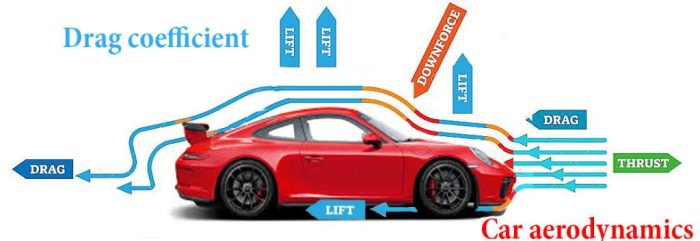
Delving into the realm of Aerodynamic car design explained, this discussion unveils the intricate details behind optimizing vehicle performance through innovative design techniques. From reducing drag to enhancing fuel efficiency, each aspect plays a crucial role in shaping the future of automotive engineering.
As we navigate through the key features and principles of aerodynamics, a deeper understanding of how shape, size, and texture influence aerodynamic efficiency will emerge, shedding light on the innovative strategies employed by car manufacturers worldwide.
Introduction to Aerodynamic Car Design
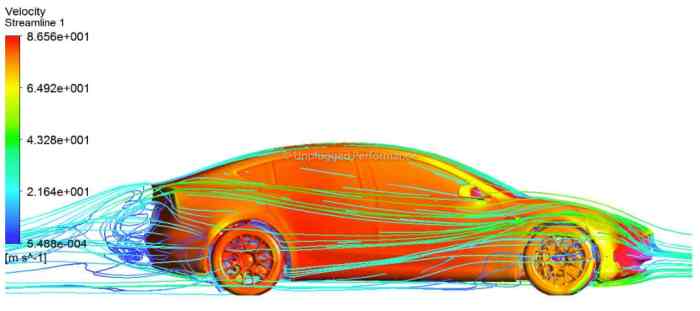
Aerodynamics play a crucial role in shaping the design of modern cars. In the context of car design, aerodynamics refers to the study of how air flows around and interacts with a vehicle. It involves shaping the exterior of the car to minimize drag and maximize performance.
The importance of aerodynamics for vehicle performance cannot be overstated. By reducing drag, aerodynamic design can improve fuel efficiency, increase speed, and enhance overall handling. A well-designed aerodynamic car can cut through the air more efficiently, leading to better performance on the road.
Impact on Fuel Efficiency and Speed
When a car moves through the air, it encounters resistance known as drag. By optimizing the shape of the car's body, manufacturers can reduce drag and improve fuel efficiency. This means that the car requires less energy to maintain speed, ultimately leading to better fuel economy.
Additionally, aerodynamics can also impact the speed of a vehicle. By reducing drag and improving airflow around the car, designers can help the car move more smoothly through the air. This can result in higher speeds and better acceleration, making aerodynamic design essential for performance-oriented vehicles.
Key Aerodynamic Features
When it comes to designing cars for optimal aerodynamics, several key features are commonly implemented to improve airflow around the vehicle. These features play a crucial role in reducing drag and enhancing performance.
Spoilers
Spoilers are aerodynamic devices mounted on the rear of a vehicle. They work by disrupting the airflow over the car, reducing lift and increasing stability at high speeds. By redirecting the airflow, spoilers help minimize drag and improve overall handling.
Diffusers
Diffusers are designed to accelerate the airflow underneath the car, creating a low-pressure area that helps to suck the vehicle closer to the ground. This phenomenon, known as the Venturi effect, reduces drag and enhances stability by effectively managing the air passing beneath the car.
Air Dams
Air dams are located at the front of the vehicle and serve to reduce the amount of air flowing underneath the car, minimizing lift and improving aerodynamic efficiency. By redirecting airflow around the vehicle rather than underneath it, air dams help to optimize downforce and reduce drag.
Aerodynamic Principles
Understanding the aerodynamic principles is crucial in designing cars that are efficient and performant. By focusing on streamlining and reducing drag, engineers can create vehicles that are both sleek and fuel-efficient.
Streamlining and Drag Reduction
Streamlining refers to the process of shaping a car's body to minimize air resistance, or drag, as it moves through the air
- One key aspect of streamlining is the concept of laminar flow, where air flows smoothly over the surface of the car. This results in minimal turbulence and drag.
- In contrast, turbulent flow occurs when air encounters obstacles or rough surfaces on the vehicle, leading to increased drag and reduced efficiency.
- Shape plays a critical role in aerodynamic efficiency. Cars with sleek, rounded contours experience less drag compared to boxy or angular designs.
- Size also matters, as larger vehicles tend to create more drag due to their increased surface area exposed to the air.
- Surface texture, such as smooth paint finishes or aerodynamic panels, can further enhance aerodynamic performance by reducing air resistance.
Wind Tunnel Testing
Wind tunnel testing is a crucial step in the aerodynamic analysis of cars, allowing engineers to evaluate the airflow around the vehicle in a controlled environment. This process helps in understanding how air interacts with the car's shape and surfaces, providing valuable insights for improving performance and efficiency.
Wind Tunnel Testing Process
During wind tunnel testing, a scale model of the car is placed in a wind tunnel where air is forced over the model at varying speeds. Sensors and cameras are used to measure parameters such as drag, lift, and turbulence, providing data that can be analyzed to optimize the design.
Optimizing Vehicle Design
- Car manufacturers use wind tunnels to test different design configurations, such as spoilers, diffusers, and body shapes, to reduce drag and improve stability.
- By analyzing the data collected from wind tunnel testing, engineers can make informed decisions on adjustments to the car's aerodynamics to enhance performance on the road or track.
Significance of Wind Tunnel Data
Wind tunnel data plays a crucial role in refining aerodynamic performance by providing quantitative insights into how changes in design affect airflow patterns and overall efficiency. This data is used to fine-tune the vehicle's shape, reduce drag, and enhance downforce, ultimately improving the car's handling and fuel efficiency.
Ultimate Conclusion
In conclusion, Aerodynamic car design explained not only revolutionizes the way we perceive vehicle aesthetics but also underscores the paramount importance of aerodynamics in shaping the future of automotive technology. By optimizing airflow and minimizing drag, cars of the future are poised to achieve unparalleled levels of performance and efficiency.
Essential FAQs
How do spoilers improve aerodynamic performance?
Spoilers help reduce lift and drag by disrupting the airflow over the vehicle, enhancing stability and overall performance.
What is the significance of laminar flow in aerodynamics?
Laminar flow refers to smooth airflow with minimal disruptions, reducing drag and optimizing aerodynamic efficiency.
Why is wind tunnel testing crucial for car manufacturers?
Wind tunnel testing allows manufacturers to analyze and refine the aerodynamic performance of vehicles in a controlled environment, leading to enhanced efficiency and performance on the road.