

Modular Home Design for Urban Living: Creating Sustainable and Flexible Spaces
Share this:
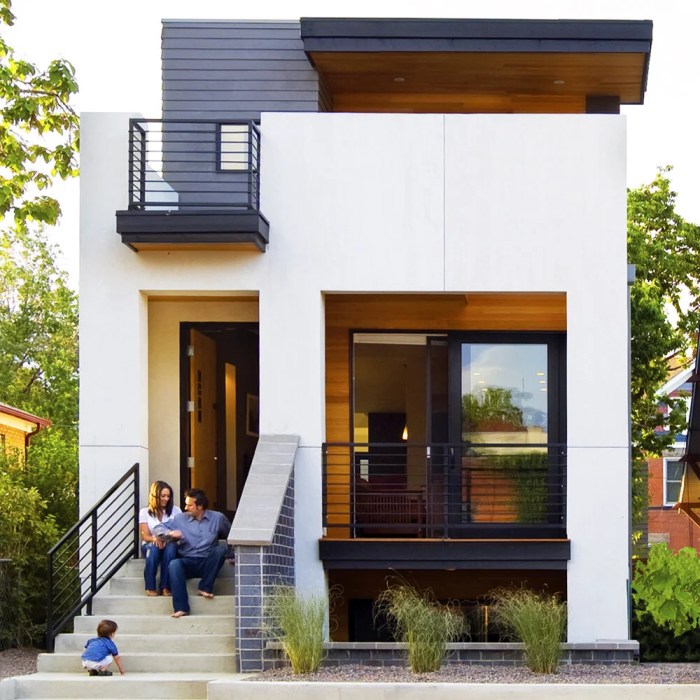
Embarking on the journey of Modular home design for urban living, we delve into the realm of innovative architecture that caters to the demands of city life. From space optimization to eco-friendly features, modular homes offer a unique solution for urban dwellers seeking a blend of style and functionality.
As we explore the intricacies of modular home design, a world of possibilities unfolds, showcasing the seamless integration of modern living with sustainable practices.
Modular Home Design Concepts
Modular home design is a modern approach to housing that involves constructing individual sections or modules off-site in a factory setting and then assembling them on the final location. This method offers flexibility, sustainability, and efficiency in the construction process.
Examples of Modular Home Designs for Urban Living
- Micro-Apartments: These compact modular units are perfect for urban areas with limited space. They maximize every inch of the living area while providing all the essential amenities.
- Multi-Story Townhouses: Modular townhouses offer a vertical solution for urban living, allowing multiple units to be stacked on top of each other to accommodate more residents in a smaller footprint.
- Rooftop Modules: Utilizing rooftops for modular additions can create extra living space in dense urban environments without expanding the ground footprint. These modules can serve as extra bedrooms, offices, or recreational areas.
Benefits of Modular Homes in Urban Environments
- Rapid Construction: Modular homes can be built in a fraction of the time compared to traditional construction methods, making them ideal for urban areas with high demand for housing.
- Sustainability: The controlled factory environment of modular construction leads to less waste and more efficient use of materials, reducing the environmental impact of housing development in urban settings.
- Cost-Efficient: Modular homes are often more cost-effective than traditional homes, making them a viable option for affordable housing solutions in urban areas where property prices are high.
Space Optimization
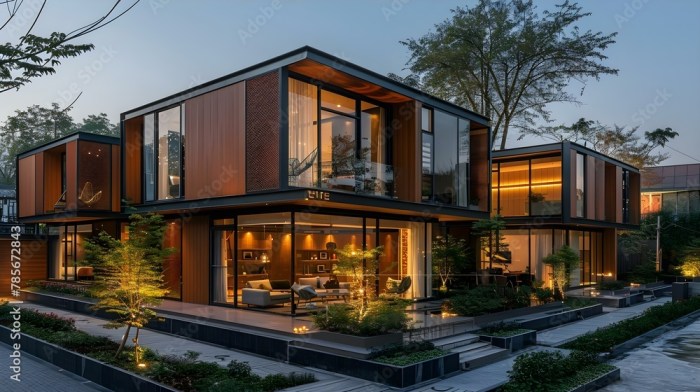
In urban settings where space is limited, modular homes are designed to optimize every square foot efficiently. Compared to traditional homes, modular homes tend to make better use of space due to their customizable and flexible nature. Let's explore some innovative space-saving features commonly found in modular home designs.
Efficient Floor Plans
One key aspect of space optimization in modular homes is the use of efficient floor plans. These homes are carefully designed to maximize every inch of space, ensuring that no area goes to waste. By strategically placing rooms, storage areas, and common spaces, modular homes can feel spacious and open despite their compact size.
Multi-Functional Furniture
Another space-saving feature often seen in modular home designs is the use of multi-functional furniture. Items such as Murphy beds, convertible tables, and built-in storage units help maximize space by serving multiple purposes. This allows residents to make the most out of their limited square footage without sacrificing comfort or functionality.
Vertical Storage Solutions
Modular homes often incorporate vertical storage solutions to make use of height in addition to floor space. Features like tall cabinets, shelving units, and lofted areas help keep belongings organized and out of the way, reducing clutter and maximizing living space.
By utilizing vertical storage, modular homes can feel more spacious and organized overall.
Open Concept Design
Many modular home designs utilize open concept layouts to create the illusion of more space. By removing unnecessary walls and barriers, these homes feel larger and more airy, even in tight urban environments. Open concept designs also allow for flexibility in furniture arrangement and provide a sense of connectivity between different areas of the home.
Smart Technology Integration
Innovative modular homes often incorporate smart technology to further optimize space. Features like automated lighting, temperature control, and security systems can help residents make the most efficient use of their space while enhancing convenience and comfort. By integrating smart technology, modular homes can streamline daily tasks and improve overall quality of life in urban settings.
Sustainability and Eco-Friendly Features
When it comes to modular home design for urban living, sustainability and eco-friendly features play a crucial role in creating environmentally conscious living spaces.
Sustainable Materials Used in Modular Home Construction
Modular homes are constructed using a variety of sustainable materials that help reduce the environmental impact of the building process. Some common sustainable materials used in modular home construction include:
- Bamboo: Known for its rapid growth and renewability, bamboo is a popular choice for flooring, cabinetry, and furniture in modular homes.
- Recycled Steel: Utilizing recycled steel in the framing of modular homes reduces the demand for new steel production and helps divert waste from landfills.
- Recycled Glass: Incorporating recycled glass into countertops, tiles, and decorative elements adds a unique touch to modular home designs while promoting recycling efforts.
Eco-Friendly Features in Modular Home Designs
Modular home designs often incorporate a range of eco-friendly features that contribute to energy efficiency and sustainability. Some common eco-friendly features found in modular homes include:
- Solar Panels: Installing solar panels on the roof of modular homes allows residents to generate their own clean energy and reduce reliance on traditional power sources.
- Low-Flow Fixtures: Using low-flow faucets, showerheads, and toilets helps conserve water and reduce overall water consumption in modular homes.
- Green Roofs: Green roofs, which are covered in vegetation, help insulate the home, reduce stormwater runoff, and improve air quality in urban areas.
Energy-Efficient Systems in Modular Homes
Energy-efficient systems are integral to the design of modular homes, helping to minimize energy consumption and reduce utility costs. Some energy-efficient systems commonly utilized in modular homes include:
- LED Lighting: LED lighting fixtures are more energy-efficient than traditional incandescent bulbs, offering long-lasting illumination while consuming less electricity.
- High-Efficiency HVAC Systems: High-efficiency heating, ventilation, and air conditioning (HVAC) systems help regulate indoor temperatures efficiently, reducing energy waste and carbon emissions.
- Smart Home Technology: Integrating smart home technology, such as programmable thermostats and energy monitoring systems, allows residents to optimize energy usage and track their environmental footprint.
Customization and Flexibility
Modular homes offer a wide range of customization options, allowing homeowners to tailor their living space to their unique preferences and needs. From choosing the layout and size of rooms to selecting finishes and fixtures, the customization possibilities are endless.
Adaptability to Changing Urban Environments
Modular homes provide flexibility that traditional homes may not offer. With the ability to easily add or remove modules, homeowners can adapt their living space to changing urban environments. For example, as families grow or shrink, modular homes can be expanded or downsized accordingly without the need for major construction work.
Unique Customization Choices
One of the unique aspects of modular home design is the opportunity for innovative customization choices. Some examples include incorporating sustainable features like green roofs or solar panels, creating multi-functional spaces that serve dual purposes, or even designing modular furniture pieces that can be easily rearranged to suit different needs.
The flexibility of modular construction allows for these creative customization choices to come to life seamlessly.
Integration with Urban Infrastructure
Urban areas are constantly evolving, and the integration of modular homes into existing urban infrastructure is a key consideration for sustainable development. Modular homes offer a unique opportunity to address housing needs while minimizing disruptions to the urban environment.Modular homes can seamlessly integrate with existing urban infrastructure by utilizing underutilized spaces such as vacant lots, rooftops, or even parking garages.
These homes can be designed to fit the available space and complement the surrounding architecture, creating a harmonious blend with the urban landscape.
Challenges and Solutions
- Challenge: Limited Space - Densely populated urban areas often have limited space for new construction.
- Solution: Modular homes can be prefabricated off-site and assembled on-site, reducing the need for large construction zones.
- Challenge: Zoning Regulations - Urban areas have strict zoning regulations that may pose challenges for modular home placement.
- Solution: Collaboration between modular home manufacturers, urban planners, and local authorities can help streamline the approval process and ensure compliance with regulations.
- Challenge: Infrastructure Compatibility - Modular homes need to be compatible with existing utilities and infrastructure.
- Solution: Modular home designs can incorporate sustainable features such as rainwater harvesting systems and solar panels to minimize reliance on traditional infrastructure.
Enhancing Urban Living Environments
- Modular home communities can foster a sense of belonging and community in urban areas.
- Shared green spaces, community gardens, and recreational facilities within modular home communities can enhance the quality of urban living.
- Designing modular homes with energy-efficient features and sustainable materials can contribute to a more environmentally friendly urban environment.
Closing Summary
In conclusion, Modular home design for urban living presents a harmonious blend of creativity and practicality, revolutionizing the way we perceive urban spaces. With a focus on sustainability, flexibility, and integration, modular homes pave the way for a future where architecture meets innovation.
FAQ Guide
Are modular homes cost-effective in urban settings?
Yes, modular homes are often more cost-effective due to streamlined construction processes and reduced material waste.
Can modular homes be customized to fit specific urban lot sizes?
Absolutely, modular homes offer a range of customization options to adapt to different urban lot sizes and shapes.
Do modular homes require special permits for urban placement?
While requirements vary, modular homes typically follow the same permitting process as traditional homes in urban areas.
How do modular homes contribute to sustainability in urban environments?
Modular homes often use eco-friendly materials and energy-efficient systems, reducing their environmental impact in urban settings.