

Fire-resistant roofing materials for safety: A Comprehensive Guide
Share this:
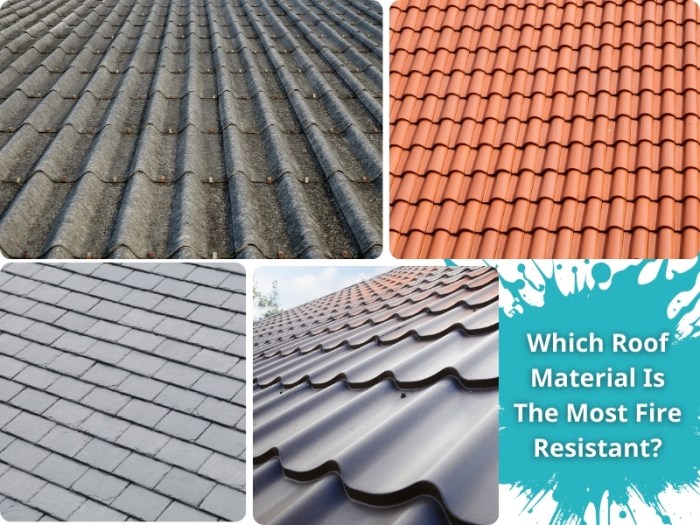
As Fire-resistant roofing materials for safety takes center stage, this opening passage beckons readers into a world crafted with good knowledge, ensuring a reading experience that is both absorbing and distinctly original. From the various types available to installation processes and benefits, this guide delves deep into the realm of fire-resistant roofing materials for safety.
Types of Fire-Resistant Roofing Materials
Fire-resistant roofing materials are essential for ensuring the safety of a building and its occupants. There are several types of fire-resistant roofing materials available in the market, each offering unique features and benefits.
Asphalt Shingles
Asphalt shingles are one of the most common types of fire-resistant roofing materials. They are cost-effective and provide good fire protection due to their composition of fiberglass or organic materials mixed with asphalt. Asphalt shingles are easy to install and come in a variety of colors and styles, making them a popular choice among homeowners.
Metal Roofing
Metal roofing is another durable and fire-resistant option for roofing materials. Metal roofs are non-combustible and can withstand extreme weather conditions, making them a long-lasting choice for fire protection. While metal roofing may have a higher upfront cost compared to other materials, their longevity and low maintenance requirements make them a cost-effective option in the long run.
Clay or Concrete Tiles
Clay or concrete tiles are known for their fire-resistant properties and are a popular choice in areas prone to wildfires. These tiles are durable, long-lasting, and provide excellent protection against fires. While clay or concrete tiles may be more expensive than other roofing materials, their ability to withstand high temperatures and their aesthetic appeal make them a valuable investment for homeowners.
Slate Roofing
Slate roofing is a premium option for fire-resistant roofing materials. Slate roofs are naturally fire-resistant, durable, and offer a unique, upscale look to any home. While slate roofing may be one of the most expensive options upfront, its longevity and minimal maintenance requirements make it a cost-effective choice in the long term.
Cost-Effectiveness
When considering the cost-effectiveness of different fire-resistant roofing materials, it is essential to weigh the upfront cost against the long-term benefits. While some materials may have a higher initial investment, their durability, fire resistance, and low maintenance requirements can result in cost savings over time.
Homeowners should consider their budget, the climate of their area, and the desired aesthetic appeal when choosing the right fire-resistant roofing material for their property.
Installation Process of Fire-Resistant Roofing Materials
Installing fire-resistant roofing materials is crucial for ensuring the safety of your home or building. Here is a step-by-step guide on how to install these materials, the importance of hiring professionals for the job, and tips for maintaining the fire-resistant properties post-installation.
Step-by-Step Guide for Installing Fire-Resistant Roofing Materials
- Ensure proper ventilation in the attic to prevent heat buildup.
- Remove the existing roofing materials carefully to avoid damage to the structure.
- Inspect the roof deck for any signs of damage and make necessary repairs.
- Install a fire-resistant underlayment to provide an additional layer of protection.
- Apply the fire-resistant roofing materials according to the manufacturer's instructions.
- Seal all seams and edges properly to prevent water infiltration.
- Inspect the installation thoroughly to ensure it meets safety standards.
The Importance of Hiring Professionals
It is highly recommended to hire professional roofing contractors with experience in installing fire-resistant materials. Professionals have the expertise and tools to ensure the materials are installed correctly, minimizing the risk of fire hazards.
Tips for Maintaining Fire-Resistant Properties
- Regularly inspect the roof for any damage or signs of wear and tear.
- Clean the roof periodically to remove debris that could pose a fire risk.
- Trim overhanging trees to prevent branches from touching the roof.
- Keep gutters clean to prevent clogs that can lead to water damage and potential fire hazards.
- Consider applying a fire retardant spray to enhance the fire-resistant properties of the roofing materials.
Benefits of Using Fire-Resistant Roofing Materials
Fire-resistant roofing materials offer a wide range of benefits, especially when it comes to safety, insurance costs, and the environment.
Safety Advantages
Using fire-resistant roofing materials can significantly reduce the risk of a fire spreading in residential and commercial buildings. These materials are designed to withstand high temperatures and prevent flames from engulfing the entire structure. By installing fire-resistant roofing materials, occupants have more time to evacuate safely in case of a fire, minimizing potential injuries and fatalities.
Reduction in Insurance Premiums
One of the key benefits of using fire-resistant roofing materials is the potential for lower insurance premiums. Insurance companies often offer discounts to property owners who invest in fire-resistant materials due to the reduced risk of fire damage. By having fire-resistant roofing, property owners can demonstrate a proactive approach to risk management, leading to cost savings on insurance policies.
Environmental Benefits
In addition to safety and cost savings, fire-resistant roofing materials also provide environmental benefits. These materials are durable and long-lasting, reducing the need for frequent replacements. By extending the lifespan of the roof, less waste is generated, contributing to a more sustainable building practice.
Furthermore, some fire-resistant roofing materials are made from recycled or eco-friendly materials, further reducing the environmental impact of construction projects.
Innovations in Fire-Resistant Roofing Materials
As technology continues to advance, the field of fire-resistant roofing materials has seen significant innovations aimed at enhancing safety and sustainability. Manufacturers are constantly developing new materials and techniques to improve the fire resistance of roofs, protecting homes and buildings from potential disasters.
Technological Advancements in Fire-Resistant Roofing Materials
Recent technological advancements in fire-resistant roofing materials have focused on incorporating advanced materials such as fire-resistant coatings, fire-retardant additives, and innovative layering techniques. These advancements have significantly enhanced the ability of roofing materials to withstand high temperatures and prevent the spread of fires.
Sustainable and Eco-Friendly Fire-Resistant Roofing Materials
In response to growing environmental concerns, many manufacturers have started to develop sustainable and eco-friendly fire-resistant roofing materials. These materials are often made from recycled or renewable sources, reducing the environmental impact of roofing installations. Additionally, some eco-friendly materials have been designed to improve energy efficiency and reduce carbon emissions.
Future Trends and Developments in Fire-Resistant Roofing Materials
Looking ahead, the future of fire-resistant roofing materials is expected to focus on further enhancing fire resistance while also incorporating smart technologies for better monitoring and early detection of fire hazards. Additionally, the development of more cost-effective and easy-to-install fire-resistant roofing materials is anticipated to make fire safety more accessible to a wider range of properties.
Summary
In conclusion, exploring the realm of fire-resistant roofing materials for safety unveils a landscape rich in innovation and practicality. By understanding the types, installation processes, benefits, and innovations, one can truly appreciate the importance of incorporating fire-resistant materials for safety in residential and commercial settings.
Popular Questions
Are fire-resistant roofing materials more expensive than regular roofing materials?
While fire-resistant roofing materials may have a slightly higher upfront cost, they can potentially lead to savings through reduced insurance premiums and increased safety.
Do fire-resistant roofing materials require special maintenance?
Fire-resistant roofing materials generally do not require special maintenance beyond regular inspections and upkeep to ensure their effectiveness.
Can fire-resistant roofing materials help in preventing wildfires from spreading?
While fire-resistant roofing materials can provide added protection, they are not a foolproof measure against wildfires. They can, however, reduce the risk of fire damage to the building.