

Metal vs. Asphalt Shingles: Which is better?
Share this:
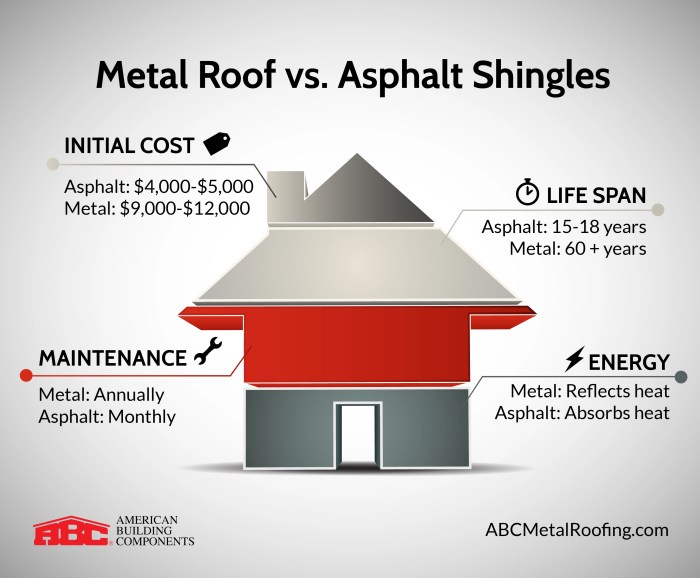
Kicking off with Metal vs. Asphalt Shingles: Which is better?, this opening paragraph is designed to captivate and engage the readers, setting the tone for a detailed comparison between these two popular roofing materials.
The following paragraphs will delve into the key aspects of durability, cost analysis, energy efficiency, and environmental impact of metal roofing versus asphalt shingles to help you make an informed decision for your roofing needs.
Metal vs. Asphalt Shingles Durability
Metal roofing and asphalt shingles are both popular choices for residential roofs, but they differ in terms of durability and longevity.
Metal Roofing Durability
Metal roofs are known for their exceptional durability and longevity. They can withstand various weather conditions such as heavy rain, snow, high winds, and hail. Metal roofs are also resistant to fire, mildew, and insects. With proper installation and maintenance, metal roofs can last anywhere from 40 to 70 years.
Asphalt Shingles Durability
Asphalt shingles are more vulnerable to extreme weather conditions compared to metal roofs. They may crack or warp in hot temperatures and can be easily damaged by hail or strong winds. However, modern asphalt shingles are designed to be more durable and resistant to these elements.
The average lifespan of asphalt shingles ranges from 15 to 30 years, depending on the quality of the materials and installation.
Maintenance Requirements
- Metal roofs generally require less maintenance compared to asphalt shingles. Periodic inspections for loose screws or fasteners, as well as clearing debris from the roof surface, are typically sufficient to maintain a metal roof.
- Asphalt shingles may need more frequent maintenance, including regular inspections for damaged or missing shingles, cleaning of debris, and resealing of any exposed nails. Proper maintenance can help extend the lifespan of asphalt shingle roofs.
Cost Analysis
Metal vs. Asphalt ShinglesWhen considering roofing options, cost is a crucial factor. Let's delve into the financial aspects of choosing between metal roofing and asphalt shingles to help you make an informed decision.
Initial Installation Cost
| Roofing Material | Cost per square foot |
|---|---|
| Metal Roofing | $7
|
| Asphalt Shingles | $1.50
|
Metal roofing typically has a higher initial installation cost compared to asphalt shingles. However, it is essential to consider the long-term financial implications before making a decision.
Long-Term Cost Implications
- Metal roofs have a longer lifespan than asphalt shingles, lasting 50+ years compared to 20-30 years for shingles. This longevity can result in lower replacement and maintenance costs over time.
- Asphalt shingles may require more frequent repairs and replacements due to wear and tear, potentially increasing long-term costs.
Factors Affecting Overall Cost
- Climate and weather conditions can impact the durability of both roofing materials, affecting maintenance and repair costs.
- Roof size and complexity of the installation can influence the overall cost of both metal roofing and asphalt shingles.
Return on Investment
While metal roofing may have a higher initial cost, its long lifespan and durability can result in a higher return on investment over time compared to asphalt shingles.
Energy Efficiency
Metal vs. Asphalt Shingles in terms of energy efficiency is an important factor to consider when choosing roofing materials for your home. Let's delve into the details of how these options impact energy consumption.
Insulating Properties
Metal roofs are known for their high reflectivity, which helps in reducing heat absorption and keeping homes cooler during hot weather. On the other hand, asphalt shingles tend to absorb heat, leading to higher indoor temperatures. This difference in thermal properties can have a significant impact on heating and cooling costs.
- Metal roofs can reduce energy consumption by reflecting sunlight and heat away from the building, resulting in lower cooling costs.
- Asphalt shingles, being less reflective, absorb heat and can make homes warmer, increasing the need for air conditioning and raising energy bills.
Long-Term Savings
Metal roofs, with their insulating properties and energy-efficient design, can provide long-term savings on heating and cooling costs. While the initial cost of installation may be higher than asphalt shingles, the reduced energy consumption can lead to significant savings over time.
- Studies have shown that metal roofs can lower energy costs by up to 25% compared to asphalt shingles, making them a more cost-effective choice in the long run.
- Additionally, the durability of metal roofs means they require less maintenance and replacement, further contributing to energy savings and overall efficiency.
Environmental Impact
Metal roofing and asphalt shingles have different environmental impacts that are important to consider when choosing a roofing material for your home.
Recyclability and Sustainability
Metal roofs are highly recyclable, with most metal roofing materials containing a significant amount of recycled content. This makes metal roofing a sustainable choice as it reduces the demand for new raw materials. On the other hand, asphalt shingles are not as easily recyclable and often end up in landfills after their lifespan.
This contributes to environmental waste and pollution.
Harmful Chemicals and Materials
The manufacturing process of asphalt shingles involves the use of petroleum-based products, which can release harmful chemicals into the environment. Additionally, the disposal of old asphalt shingles can release toxins into the soil and water. Metal roofs, on the other hand, do not contain harmful chemicals and are less damaging to the environment during production and disposal.
Overall Environmental Impact
In terms of sustainability, metal roofing is a more environmentally friendly option compared to asphalt shingles. Metal roofs have a longer lifespan, reducing the need for frequent replacements and decreasing the overall environmental impact. Additionally, the recyclability of metal roofs makes them a more sustainable choice in the long run.
Final Conclusion
In conclusion, the comparison between Metal and Asphalt Shingles sheds light on their strengths and weaknesses, enabling you to weigh your options effectively. Whether you prioritize longevity, cost-effectiveness, energy efficiency, or environmental sustainability, this discussion aims to guide you towards the best choice for your home.
Commonly Asked Questions
Which roofing material is more durable, metal or asphalt shingles?
Metal roofing generally offers better durability compared to asphalt shingles, as it can withstand harsh weather conditions and has a longer lifespan.
What are the initial cost differences between metal and asphalt shingles?
Metal roofing typically has a higher upfront cost than asphalt shingles, but it often proves to be more cost-effective in the long run due to its longevity.
Are metal roofs more energy-efficient than asphalt shingles?
Yes, metal roofs are usually more energy-efficient as they reflect sunlight and heat, helping to reduce cooling costs in the summer.
How do metal roofs and asphalt shingles differ in terms of environmental impact?
Metal roofs are more environmentally friendly as they are recyclable and often contain recycled materials, while asphalt shingles contribute to more waste in landfills.