

Top SUV design features to look for in 2025: Enhancing Performance and Efficiency
Share this:

Exploring the realm of Top SUV design features to look for in 2025, this introduction delves into the crucial aspects that will shape the future of SUVs. From aerodynamics to sustainable materials and advanced safety features, the landscape of SUV design is evolving to meet the demands of tomorrow's drivers.
As we navigate through the key elements that will define the SUVs of 2025, a glimpse into the future reveals a blend of innovation and practicality that promises an exciting driving experience ahead.
Importance of Aerodynamics in SUV Design
Aerodynamics play a crucial role in the design of SUVs, impacting their performance, efficiency, fuel economy, and driving dynamics. By optimizing aerodynamic features, manufacturers can enhance the overall capabilities of SUVs.
Key Aerodynamic Features in SUVs
- Streamlined Body Design: SUVs with sleek, aerodynamic shapes experience reduced drag, leading to improved fuel efficiency and better handling at higher speeds.
- Rear Spoilers and Diffusers: These components help manage airflow around the vehicle, reducing turbulence and enhancing stability on the road.
- Underbody Panels: Smooth underbody panels minimize air resistance, allowing the SUV to move more efficiently and quietly through the air.
- Aerodynamic Side Mirrors: Compact and aerodynamically designed side mirrors reduce wind noise and drag, contributing to a quieter and more efficient driving experience.
Impact of Aerodynamics on SUVs
Efficient aerodynamics can significantly improve fuel economy in SUVs by reducing the amount of energy needed to overcome air resistance. Additionally, enhanced aerodynamic features can enhance the overall driving dynamics of SUVs, providing better stability, handling, and control on various road conditions.
Integration of Sustainable Materials
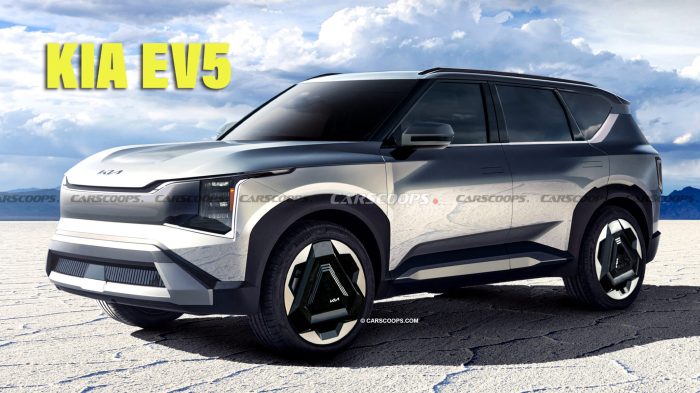
Using sustainable materials in SUV design is crucial for reducing the environmental impact of vehicles on our planet. By incorporating eco-friendly materials, automakers can help minimize carbon emissions, energy consumption, and waste generation throughout the lifecycle of the vehicle.
Examples of Eco-Friendly Materials
- Bamboo: Bamboo is a fast-growing, renewable resource that can be used for interior trim, flooring, and even body panels in SUVs.
- Recycled Plastics: Utilizing recycled plastics for components like bumpers, dashboards, and seat fabrics helps reduce the amount of plastic waste in landfills.
- Cork: Cork is a sustainable material that can be used for insulation, flooring, and upholstery in SUV interiors, providing a natural and eco-friendly option.
- Organic Fabrics: Fabrics made from organic materials such as hemp, soy, or organic cotton can be used for seating upholstery, headliners, and door panels.
Benefits of Sustainable Materials
Integrating sustainable materials in SUV design not only helps in conserving natural resources but also reduces the overall carbon footprint of the vehicle. By choosing materials that are recyclable, biodegradable, or renewable, automakers can make a positive impact on the environment and promote a more sustainable future for the automotive industry.
Advanced Safety Features
As SUVs continue to evolve, advanced safety features are becoming crucial to ensure the protection of both drivers and passengers. These technologies not only enhance the overall driving experience but also provide an extra layer of security on the road.
Autonomous Emergency Braking (AEB)
Autonomous Emergency Braking is a cutting-edge safety feature that uses sensors to detect potential collisions and automatically applies the brakes if the driver does not react in time. This technology can significantly reduce the risk of accidents and minimize the impact of collisions.
Adaptive Cruise Control
Adaptive Cruise Control is another innovative safety feature that adjusts the vehicle's speed to maintain a safe distance from the car ahead. This technology not only helps prevent rear-end collisions but also reduces driver fatigue on long journeys.
360-Degree Camera System
A 360-degree camera system provides a comprehensive view of the vehicle's surroundings, eliminating blind spots and enhancing overall visibility. This feature is especially useful when parking or maneuvering in tight spaces
Lane Departure Warning System
The Lane Departure Warning System alerts drivers when they unintentionally drift out of their lane, helping prevent accidents caused by distracted driving. This feature promotes safer driving habits and reduces the risk of side collisions.
Infotainment and Connectivity Systems
In the ever-evolving landscape of SUV design, infotainment and connectivity systems play a crucial role in enhancing the overall driving experience. By 2025, consumers can expect a range of advanced features that will redefine how they interact with their vehicles.
Top Infotainment Features in SUVs in 2025
As technology continues to advance, SUVs in 2025 will likely come equipped with cutting-edge infotainment systems that offer a seamless user experience. Some of the top features that consumers can expect include:
- Interactive touchscreens with high resolution for easy navigation and control.
- Enhanced voice recognition technology for hands-free operation.
- Augmented reality displays for a more immersive driving experience.
- Personalized profiles that sync with smartphones and other devices for a seamless transition between home and vehicle.
Integration of Advanced Connectivity Systems
Advanced connectivity systems such as smart assistants and seamless smartphone integration will be at the forefront of SUV design in 2025. These technologies will revolutionize how occupants interact with their vehicles and surroundings, offering unparalleled convenience and entertainment. Features may include:
- Integration with virtual assistants like Amazon Alexa or Google Assistant for voice-controlled functions.
- Seamless smartphone connectivity for access to apps, music, and navigation tools directly through the vehicle's interface.
- Wireless charging pads and connectivity ports for multiple devices to stay powered and connected on the go.
Enhancing Convenience and Entertainment for SUV Occupants
By integrating advanced infotainment and connectivity systems, SUVs in 2025 will provide a more enjoyable and convenient driving experience for occupants. These technologies will not only enhance entertainment options but also streamline daily tasks and improve overall connectivity. Benefits could include:
- Access to real-time traffic updates and navigation assistance for efficient travel.
- Integration with smart home devices for remote control and monitoring while on the road.
- Personalized recommendations for music, podcasts, and other entertainment based on user preferences and habits.
Last Recap
In conclusion, the evolution of SUV design towards 2025 signifies a harmonious fusion of cutting-edge technology and environmental consciousness. As consumers anticipate vehicles that offer not only performance but also sustainability and safety, the Top SUV design features to look for in 2025 pave the way for an exhilarating journey on the road ahead.
Question & Answer Hub
What role do aerodynamics play in SUV design?
Aerodynamics are crucial for SUVs as they impact performance, efficiency, and fuel economy by reducing drag and improving stability.
How can sustainable materials benefit SUV design?
Using eco-friendly materials in SUVs can reduce the environmental footprint, enhance interior comfort, and promote sustainability in manufacturing processes.
What are some advanced safety features to expect in SUVs by 2025?
By 2025, SUVs are likely to incorporate technologies like autonomous emergency braking and adaptive cruise control to enhance passenger safety and driving experience.
What infotainment features will be popular in SUVs in 2025?
Consumers can expect advanced infotainment systems with smart assistants and seamless smartphone integration for enhanced convenience and entertainment in SUVs.