

What to Expect During a Roof Inspection: A Comprehensive Guide
Share this:
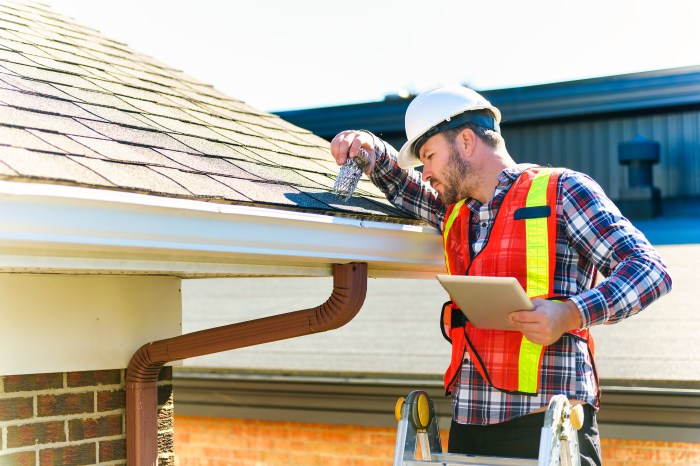
Embarking on the journey of understanding what to expect during a roof inspection opens up a world of insights and knowledge. From the importance of regular inspections to the common issues found and recommendations for next steps, this guide will equip you with the necessary information to ensure the well-being of your roof.
Importance of Roof Inspections
Regular roof inspections are essential for maintaining the integrity of a roof and prolonging its lifespan. By conducting routine inspections, homeowners can identify potential issues early on and address them promptly, preventing more significant problems down the line.
Early Issue Identification
- Leaks: Inspections can reveal signs of water damage, such as stains on the ceiling or walls, indicating a leak in the roof.
- Missing or Damaged Shingles: By inspecting the roof, homeowners can spot missing or damaged shingles that need to be replaced to prevent further damage.
- Mold and Mildew: Inspections can help detect the presence of mold or mildew, which can thrive in moist environments and pose health risks.
Preventing Costly Repairs or Replacements
- Timely Maintenance: Regular inspections allow for timely maintenance and repairs, reducing the likelihood of costly replacements in the future.
- Prolonging Roof Lifespan: By addressing issues early on, homeowners can extend the lifespan of their roof and avoid premature replacement.
- Insurance Claims: Inspections can help homeowners identify and address potential issues before they escalate, potentially saving them from costly insurance claims.
Preparation for a Roof Inspection
Before a roof inspection, homeowners should take the following steps to ensure a smooth and efficient process.
Gather Important Documents
- Collect any warranty information or records related to previous roof repairs or replacements.
- Provide any documentation regarding the age of the roof or materials used during installation.
Clean Surrounding Area
- Clear any debris or obstacles around the house that may hinder the inspector's access to the roof.
- Trim overhanging branches to ensure a clear view of the roof surface.
Interior Inspection
- Ensure attic access is available for the inspector to check for signs of leaks or damage from the inside.
- Remove any valuable items from the attic to allow for a thorough inspection.
Schedule Convenient Timing
- Choose a time for the inspection when you can be present to ask questions and address any concerns directly with the inspector.
- Consider the weather forecast and avoid scheduling the inspection during inclement weather.
What Happens During a Roof Inspection
During a roof inspection, the inspector typically follows a set of procedures to assess the condition of the roof and identify any potential problems. This process involves a thorough examination of various components of the roof to ensure its structural integrity and functionality.
Assessment Procedures
- The inspector will visually inspect the exterior of the roof, looking for signs of damage such as missing or broken shingles, cracks, or leaks.
- Roof inspectors will also check the interior of the property for any water stains, mold growth, or other indicators of a leaking roof.
- They may use drones or other technology to get a closer look at hard-to-reach areas of the roof.
Identifying Potential Problems
- Inspectors assess the overall condition of the roof, looking for signs of wear and tear, aging, or damage caused by weather elements.
- They search for signs of pest infestation, such as nests or droppings, which can compromise the roof's integrity.
- Inspectors also check for proper ventilation and insulation to ensure energy efficiency and prevent moisture buildup.
Tools and Equipment Used
- Inspectors may use moisture meters to detect hidden leaks or water damage within the roof structure.
- They use binoculars or cameras to closely examine the roof from a safe distance and identify any issues.
- A ladder is essential for accessing different parts of the roof safely and conducting a comprehensive inspection.
Common Issues Found During Roof Inspections
When conducting a roof inspection, inspectors often come across a variety of common issues that can impact the overall health and longevity of a roof. Identifying these problems early on can help prevent costly repairs or replacements down the line.
1. Missing or Damaged Shingles
- Missing shingles can leave the underlying structure vulnerable to water damage.
- Damaged shingles, such as curling or cracking, may indicate wear and tear that compromises the roof's integrity.
2. Leaks and Water Damage
- Water stains on the ceiling or walls can signal a leak in the roof.
- Pooled water or moisture in the attic can lead to mold growth and structural damage.
3. Clogged Gutters and Downspouts
- Clogged gutters can cause water to back up and seep under the roof, leading to rot and deterioration.
- Blocked downspouts prevent proper drainage and can result in water pooling on the roof.
4. Poor Ventilation
- Inadequate ventilation can trap heat and moisture in the attic, causing premature aging of the roof materials.
- Improper ventilation can also lead to ice dams in colder climates, further damaging the roof.
Recommendations and Next Steps
After a roof inspection is completed, the next steps typically involve the generation of a detailed inspection report. This report will Artikel the findings of the inspection, including any issues or concerns identified during the assessment of the roof's condition.It is important for homeowners to carefully review and understand the inspection report in order to make informed decisions about any necessary repairs or maintenance.
The report may include recommendations for addressing specific issues, as well as suggestions for ongoing maintenance to prolong the lifespan of the roof.
Interpreting Inspection Reports
- Inspection reports may contain technical terminology related to roofing materials, structures, and conditions. It is recommended to seek clarification from the inspector or a roofing professional if any terms are unclear.
- Look for a summary section that highlights the main findings and recommendations. This can help prioritize any necessary repairs or maintenance tasks.
- Pay attention to any photographs or visual aids included in the report, as these can provide valuable insight into the condition of the roof.
Recommendations for Repairs and Maintenance
- Address any immediate repairs or safety concerns identified in the inspection report promptly to prevent further damage to the roof or the interior of the home.
- Consider scheduling regular maintenance checks to address minor issues before they escalate into larger, more costly problems.
- Consult with a roofing professional to discuss potential repair options, materials, and costs associated with addressing any issues found during the inspection.
Closing Notes
As we conclude this discussion on what to expect during a roof inspection, it becomes evident that being proactive in maintaining your roof can save you from costly repairs in the long run. By staying informed and taking necessary steps post-inspection, you are safeguarding your home and ensuring the longevity of your roof.
FAQ Section
What should I do to prepare for a roof inspection?
Homeowners should ensure that the attic access is clear, pets are secured, and any relevant documents about the roof's history are handy.
How long does a typical roof inspection take?
The duration of a roof inspection can vary depending on the size and condition of the roof, but it usually takes a few hours.
What are some common issues found during roof inspections?
Common issues include cracked or missing shingles, water damage, and poor installation of vents or flashing.
How do I interpret the findings in a roof inspection report?
Inspectors will provide detailed explanations in the report, but if you have any questions, don't hesitate to ask for clarification.